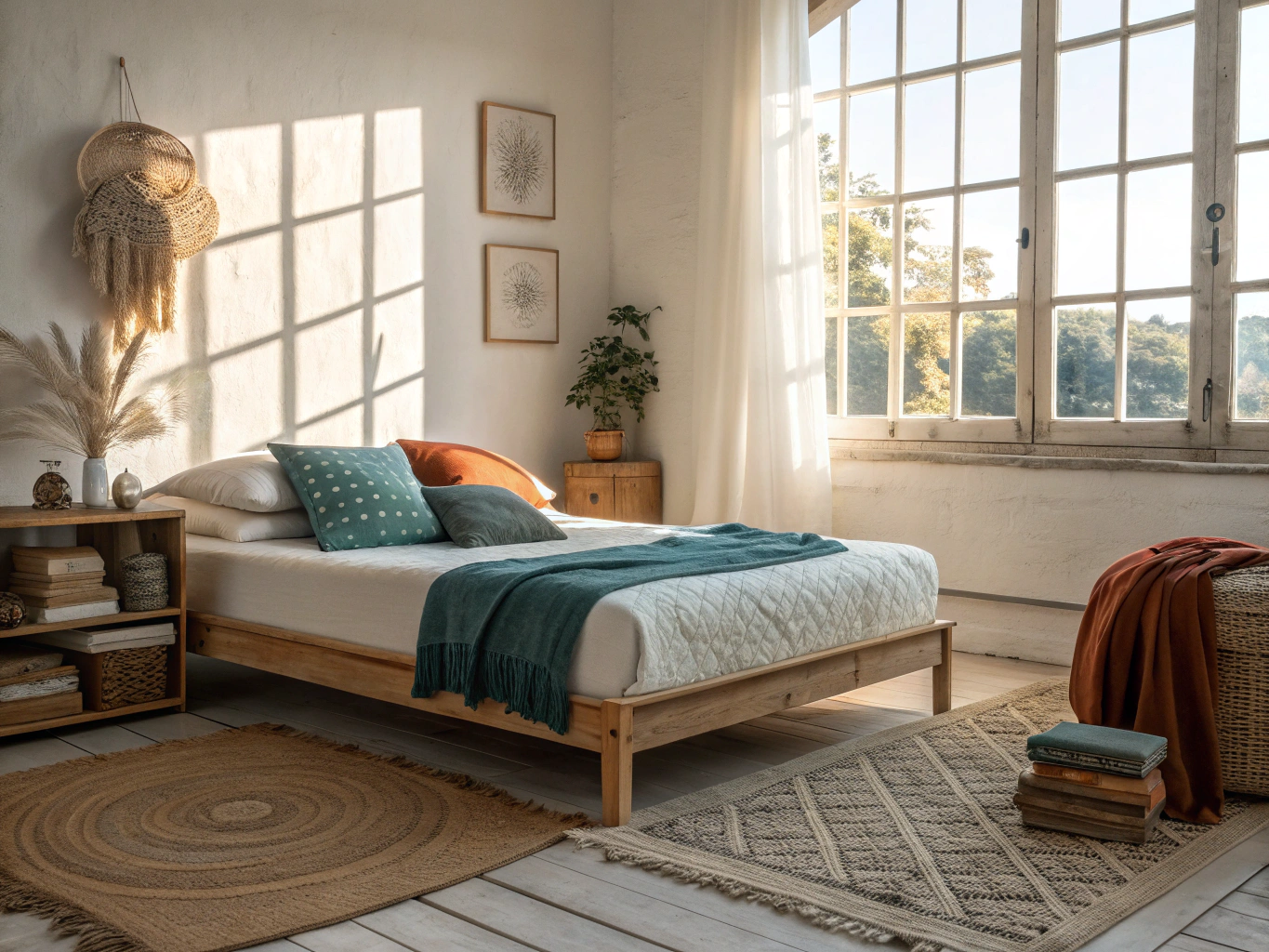
Comparing House Floor Beds vs Traditional Beds: Which is Better?
When it comes to choosing the perfect bed, the options can feel overwhelming. Among the growing trends is the house floor bed, which is quickly gaining popularity as an innovative and practical alternative to traditional beds. If you’re curious about how these two bedding styles stack up, this comparison will help clarify which might be better suited for your home and lifestyle.
For those interested in creative ways to combine function and style, how Roomix transforms spaces with house floor bed solutions offers inspiring examples of this trend in action, especially for children’s rooms. But beyond aesthetics, the differences run deeper.
What Is a House Floor Bed?
A house floor bed is a mattress placed directly on the floor, often inside a minimalistic wooden frame shaped like a small house or tent. This design is especially popular for toddlers and children, providing a cozy, accessible, and imaginative sleeping environment. The bed’s proximity to the floor eliminates the need for ladders or rails, encouraging independence and safety.
Advantages of House Floor Beds
- Safety: Being low to the ground reduces the risk of injury from falls, making it ideal for young children learning to navigate their sleeping space.
- Encourages Independence: Kids can get in and out of bed on their own, fostering confidence and responsibility.
- Space-Saving & Stylish: The house frame adds an aesthetic appeal that doubles as a playful element, enhancing room decor without bulky furniture.
- Easy to Clean & Maintain: Without tall bed frames or box springs, cleaning under and around the bed is straightforward.
Traditional Beds: The Classic Choice
Traditional beds typically include a mattress elevated on a frame with a headboard and sometimes footboard. This style remains the standard in most bedrooms for both adults and children, offering a range of sizes, materials, and designs.
Advantages of Traditional Beds
- Elevated Comfort: Being off the floor provides better airflow around the mattress, which can help with temperature regulation and hygiene.
- Storage Options: Many traditional beds come with built-in drawers or allow for storage space underneath, maximizing room utility.
- Variety: There is an extensive selection of styles, materials, and price points to fit any decor or budget.
- Support and Durability: Sturdy frames can offer enhanced mattress support, potentially extending mattress life.
Which Bed is Better for You?
The answer depends largely on your needs, space, and personal preferences. If you have young children, a house floor bed can be an excellent choice, combining safety, independence, and charm in one package. It’s also a smart option for minimalist spaces or those wanting to create a unique room atmosphere without heavy furniture.
On the other hand, traditional beds may better suit adults or families looking for elevated comfort, increased storage, and a wide range of designs. Their airflow benefits and mattress support can be advantageous for those with specific health or comfort requirements.
Considerations Before Making Your Choice
- Room Size: Floor beds can make small rooms feel more spacious, while traditional beds might require more floor space.
- Mobility and Accessibility: Floor beds are easier for toddlers but may be challenging for people with mobility issues who prefer higher beds.
- Cleaning Preferences: Elevated beds allow for easier cleaning underneath, whereas floor beds can be easier to clean around.
- Design Goals: The playful, cozy vibe of a house floor bed contrasts with the classic, sometimes more formal look of traditional beds.
Ultimately, whether a house floor bed or a traditional bed is better depends on your lifestyle and priorities. Both have unique benefits that cater to different needs, making it possible to find the perfect fit for any bedroom.
By exploring options like those featured in how Roomix transforms spaces with house floor bed solutions, you can get inspired to choose a bed that not only fits your space but also elevates your everyday living experience.
Leave a Reply