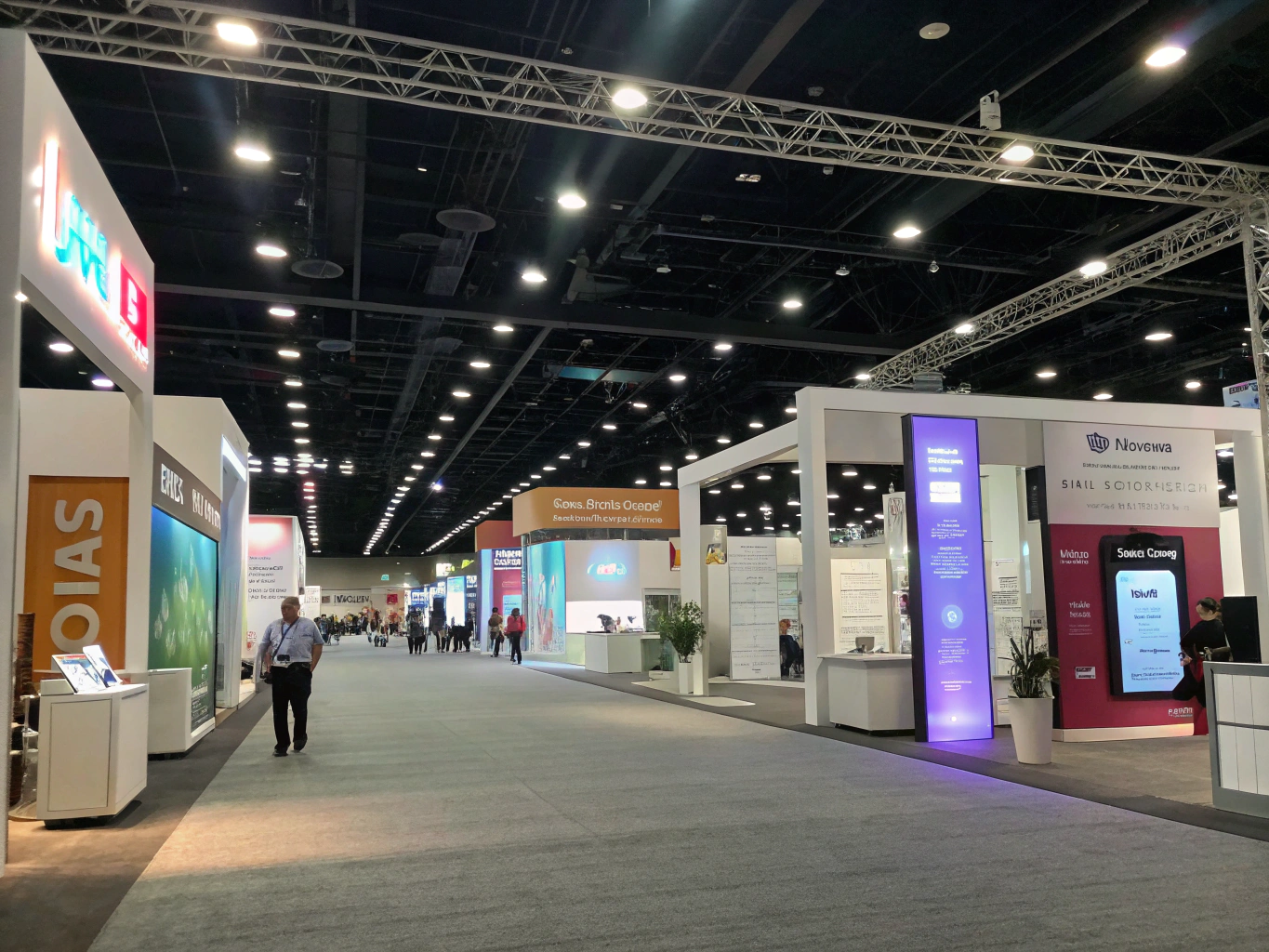
Mastering the Art of Display and Exhibit for Everyday Carry Essentials
Whether you’re a retailer, a small business owner, or an enthusiast looking to showcase your everyday carry (EDC) essentials, understanding the fundamentals of display and exhibit design is crucial. A well-thought-out display not only attracts attention but also tells a story about your products, enhancing customer engagement and boosting sales. For a comprehensive guide on this topic, be sure to check out this detailed display and exhibit resource.
Why Display and Exhibit Matter
At its core, a display or exhibit is more than just a place to put your items — it’s an opportunity to create an experience. When it comes to everyday carry gear, which typically includes items like wallets, knives, flashlights, and multitools, presentation can make the difference between a casual glance and a purchase decision. A thoughtfully arranged display highlights the features and craftsmanship of each product, instilling confidence in potential buyers.
Moreover, displays help organize your products logically. When customers can easily find what they’re looking for and see how items relate to one another, it simplifies their journey and encourages exploration. This is especially important for EDC essentials, where users often appreciate seeing complementary items grouped together, such as pairing a tactical flashlight with a pocket knife or key organizer.
Key Elements of Effective Displays
1. Visual Hierarchy and Flow
Creating a visual hierarchy means showcasing your most important or popular products prominently. This can be achieved through strategic placement, lighting, or using contrasting colors and textures to draw the eye. For example, placing a sleek titanium multitool at eye level with focused lighting immediately grabs attention.
Flow refers to how a customer moves through your display. Organizing items so that the customer’s eye naturally moves from one product to the next encourages longer engagement times and higher chances of purchase. Consider starting with signature or best-selling items, then transitioning to complementary accessories.
2. Lighting
Lighting is one of the most powerful tools in display design. Proper illumination can highlight product details, create ambiance, and even evoke emotional responses. For EDC items, which often feature intricate craftsmanship and materials, soft but focused lighting can showcase textures and finishes effectively.
3. Signage and Information
Clear signage helps communicate the value of your products. Whether it’s highlighting unique features, materials, or the story behind the brand, informative tags or small placards can guide customers and reduce hesitation. In the context of EDC essentials, emphasizing durability, multi-functionality, or warranty details can be very persuasive.
Choosing the Right Materials and Fixtures
The type of fixtures and materials you use for displaying your EDC products affects both the aesthetic and durability of your setup. Common materials include acrylic, wood, metal, and glass – each bringing a distinct vibe. For instance, natural wood can evoke warmth and reliability, while metal offers a modern, industrial feel that aligns well with tactical gear.
Modularity is another important factor. Modular displays allow you to rearrange or expand your exhibit as your product line grows or changes. This flexibility is ideal for EDC retailers who frequently introduce new items or limited editions.
Maximizing Small Spaces
Many EDC displays happen in limited spaces, whether at trade shows, retail counters, or pop-up events. Maximizing these small footprints requires creativity. Vertical displays, tiered shelving, and rotating stands can make your products more accessible without cluttering the area.
Using clear acrylic risers or small hooks helps utilize vertical space and keeps items visible from multiple angles. Remember, the goal is to keep the display tidy and inviting, avoiding overcrowding that might overwhelm customers.
Interactive Elements and Customer Engagement
Adding interactive features to your display can greatly enhance the customer experience. For EDC gear, this could mean allowing customers to handle products, test mechanisms, or even try on wearable items like belts or holsters. Interactive displays create a tactile connection, which is often a key factor in purchasing decisions.
Digital integrations, such as QR codes linking to product videos or customer reviews, can also add depth to your exhibit. These tools provide additional information without cluttering the physical display, catering to customers who want to dive deeper into product details.
Final Thoughts
Investing time and resources into your display and exhibit strategy pays dividends in customer interest and sales. For anyone in the everyday carry niche, crafting a display that tells your product’s story, highlights its unique features, and invites interaction is essential. By focusing on visual hierarchy, lighting, signage, and smart use of space, you can transform your display into a powerful marketing tool that resonates with your audience.
For a more in-depth exploration of display and exhibit strategies, visit this informative guide.
Leave a Reply