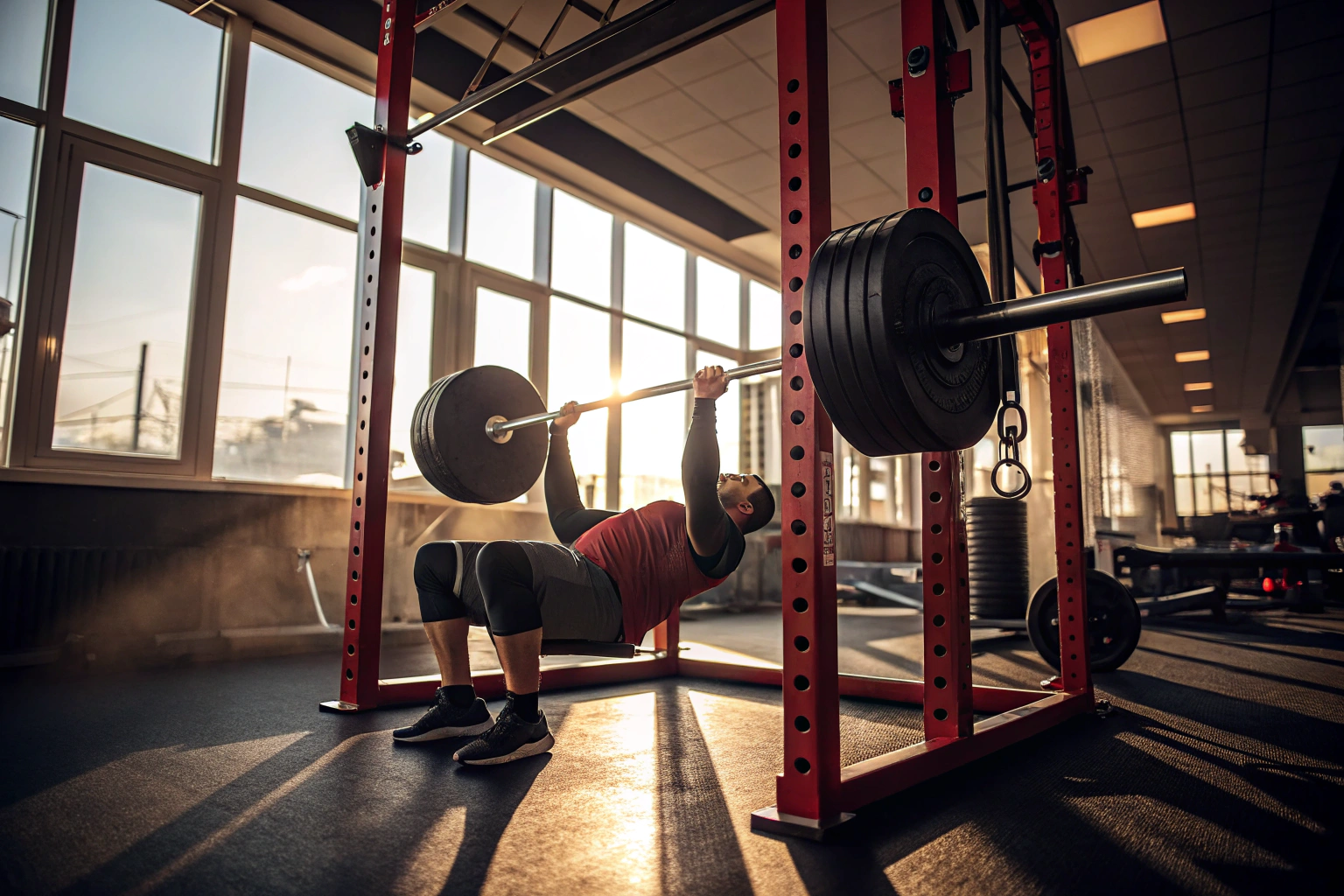
How to Interpret Oura Ring Readiness Scores for Optimal Weight Training
The Oura Ring has become an invaluable tool for athletes and fitness enthusiasts aiming to optimize their training routines. One of its standout features is the Readiness Score, a composite metric that helps you understand how prepared your body is for physical exertion. For those wondering best can you lift weights with oura ring, understanding this score can be a game-changer in balancing effort and recovery.
What is the Oura Ring Readiness Score?
The Readiness Score is a daily metric that combines various physiological signals such as heart rate variability (HRV), resting heart rate, sleep quality, and previous day activity levels. This score, ranging from 0 to 100, indicates how ready your body is to handle stress and physical activity. A higher score suggests optimal recovery and readiness, while a lower score signals that your body might need rest or lighter training.
Components Influencing Readiness
- Heart Rate Variability (HRV): Higher HRV generally indicates better recovery and autonomic nervous system balance.
- Resting Heart Rate (RHR): Elevated RHR can signal stress, illness, or fatigue.
- Sleep Quality & Duration: Deep, uninterrupted sleep improves recovery and readiness.
- Previous Day’s Activity: Heavy or intense workouts can lower readiness the next day.
Using Your Readiness Score to Guide Weight Training
Weight training demands a fine balance between pushing your limits and allowing your muscles to recover. The Oura Ring Readiness Score serves as a personalized indicator to help you make informed decisions about your workouts.
When Your Readiness Score is High (85+)
A high readiness score means your body is primed for intense training sessions. This is the ideal time to challenge yourself with heavier lifts, increased volume, or trying new exercises. Your nervous system and muscles are well-recovered, allowing you to maximize strength gains and performance improvements.
Moderate Scores (65-84)
When your readiness falls in this range, consider moderating your weight training intensity. You can still engage in effective workouts but avoid pushing to absolute failure or overloading your muscles excessively. Focus on technique, moderate weights, or complementary training like mobility and stability exercises.
Low Readiness Scores (Below 65)
A low score is a clear sign to prioritize recovery. Pushing through heavy lifts or intense sessions could increase injury risk and impair your progress. Opt for rest days, light activity such as stretching or walking, and prioritize quality sleep and nutrition to help your body bounce back.
Additional Tips for Weightlifters Using the Oura Ring
- Track Trends, Not Just Daily Scores: Look for patterns over a week or month to adjust your training cycles effectively.
- Combine Scores with Subjective Feelings: Listen to your body alongside the readiness score for a holistic approach.
- Wear Your Oura Ring Consistently: Consistency ensures accuracy in data collection and better insights.
- Consider External Factors: Stress, illness, travel, and diet can all influence readiness.
Can You Lift Weights While Wearing the Oura Ring?
Many users ask if weightlifting while wearing the Oura Ring is safe and effective. The good news is yes! The ring is designed to be durable and water-resistant, making it suitable for everyday workouts, including lifting weights. For a detailed perspective and care tips, check out the best can you lift weights with oura ring guide. Wearing the ring during training ensures continuous data collection, providing more accurate readiness and recovery insights.
Final Thoughts
Interpreting your Oura Ring Readiness Score can elevate your weight training routine by helping you tailor workouts to your body’s condition. By respecting the signals your body sends through this metric, you can optimize recovery, avoid overtraining, and achieve consistent strength gains. Remember, the key to progress is not just hard work but smart work — and your Oura Ring is a powerful ally in this journey.
Leave a Reply