The Role of Compression Gear in Weightlifting Recovery and Injury Prevention
Weightlifting enthusiasts know that effective recovery and injury prevention are just as crucial as the training itself. Incorporating the right weightlifting gear can dramatically improve performance and longevity in the sport. Among these, compression gear has emerged as a game-changing accessory. For those looking to upgrade their kit, Rip Toned Fitness’s trusted weightlifting gear essentials offer a range of high-quality compression garments designed to enhance recovery and protect against injuries.
What Is Compression Gear and How Does It Work?
Compression gear typically includes tight-fitting sleeves, socks, shorts, and tops made from elastic materials meant to apply gentle pressure to muscles and joints. This pressure supports proper blood flow and helps stabilize muscles during and after weightlifting sessions. The science behind compression gear lies in its ability to improve circulation, reduce muscle vibration, and aid in the removal of metabolic waste products like lactic acid.
Enhancing Recovery Through Improved Circulation
One of the key benefits of wearing compression gear is enhanced blood flow. When muscles receive more oxygen-rich blood, they recover faster from the microtears caused by intense lifting. This faster recovery reduces soreness and stiffness, allowing athletes to train harder and more frequently. Additionally, compression garments help flush out toxins and lactic acid, which can accumulate and lead to fatigue.
Supporting Muscle Stability and Injury Prevention
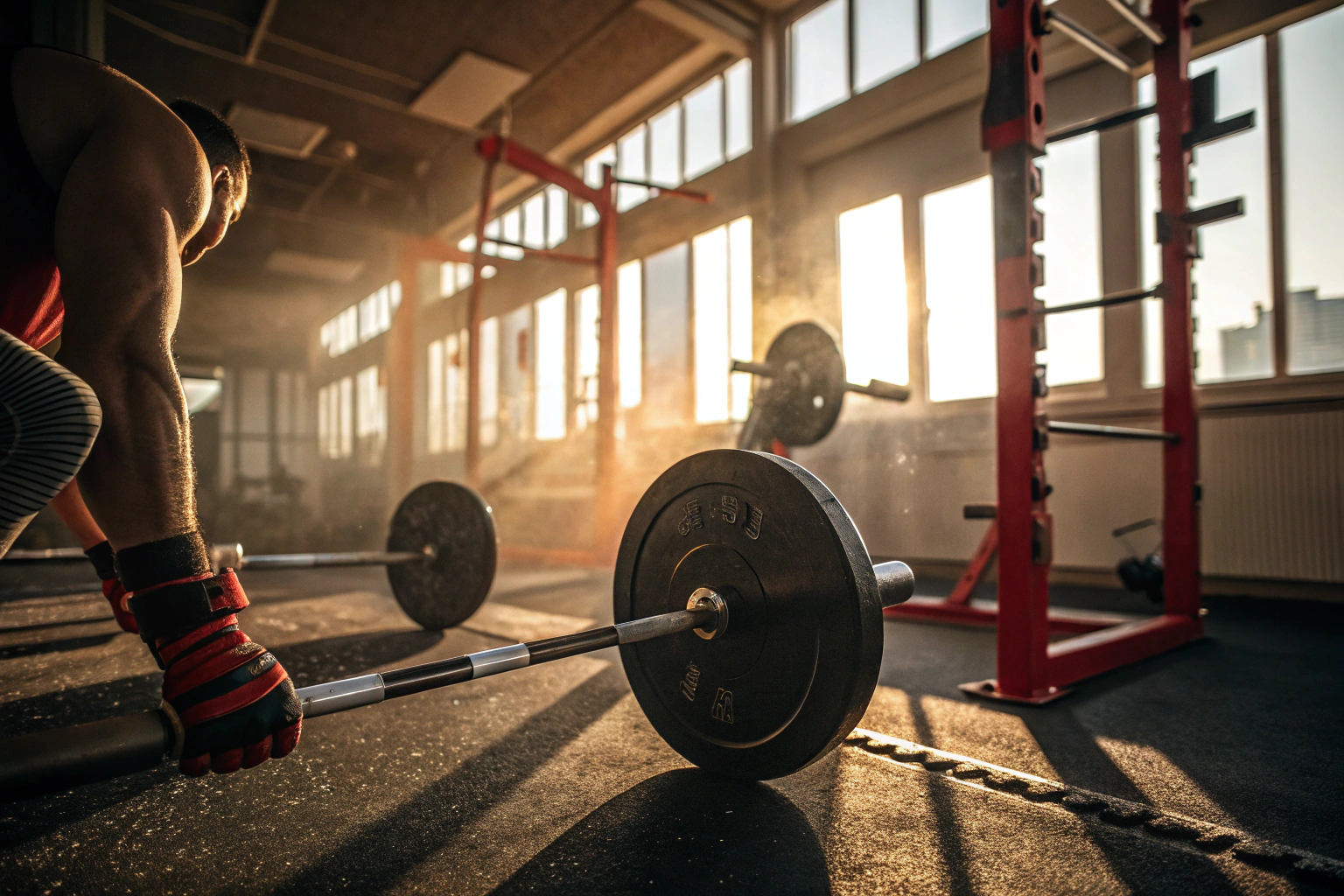
Besides aiding recovery, compression gear plays a vital role in injury prevention. By providing targeted support to muscles and joints, compression wear minimizes excessive muscle oscillation and joint strain. This stabilization helps reduce the risk of strains, sprains, and other common weightlifting injuries. For example, compression knee sleeves can offer crucial support during heavy squats or lunges, protecting the knees from undue stress.
Integrating Compression Gear into Your Weightlifting Routine
To maximize the benefits of compression gear, it’s important to choose the right products tailored to your specific needs. Consider the areas where you feel most vulnerable or experience soreness and select compression items that target those zones. For instance, if you often struggle with forearm fatigue or instability, compression arm sleeves can be invaluable.
Moreover, wearing compression gear during workouts can provide immediate support, while using it post-workout accelerates recovery. Many weightlifters find that combining compression wear with other recovery strategies—like stretching, hydration, and proper nutrition—results in better overall performance and fewer injuries.
Choosing Quality Compression Gear
Not all compression gear is created equal. The effectiveness depends on fabric quality, fit, and compression level. Brands that specialize in weightlifting gear, such as those featured at Rip Toned Fitness’s trusted weightlifting gear essentials, offer products designed specifically for the demands of strength training. These items balance optimal compression with durability and comfort, ensuring they withstand rigorous use.
Conclusion
Compression gear is more than just a trendy addition to your weightlifting wardrobe. It is a scientifically backed tool that promotes faster recovery and reduces injury risk, helping athletes achieve their strength goals safely. By investing in quality compression garments and integrating them thoughtfully into your routine, you can train smarter, recover quicker, and lift heavier with confidence.
Leave a Reply