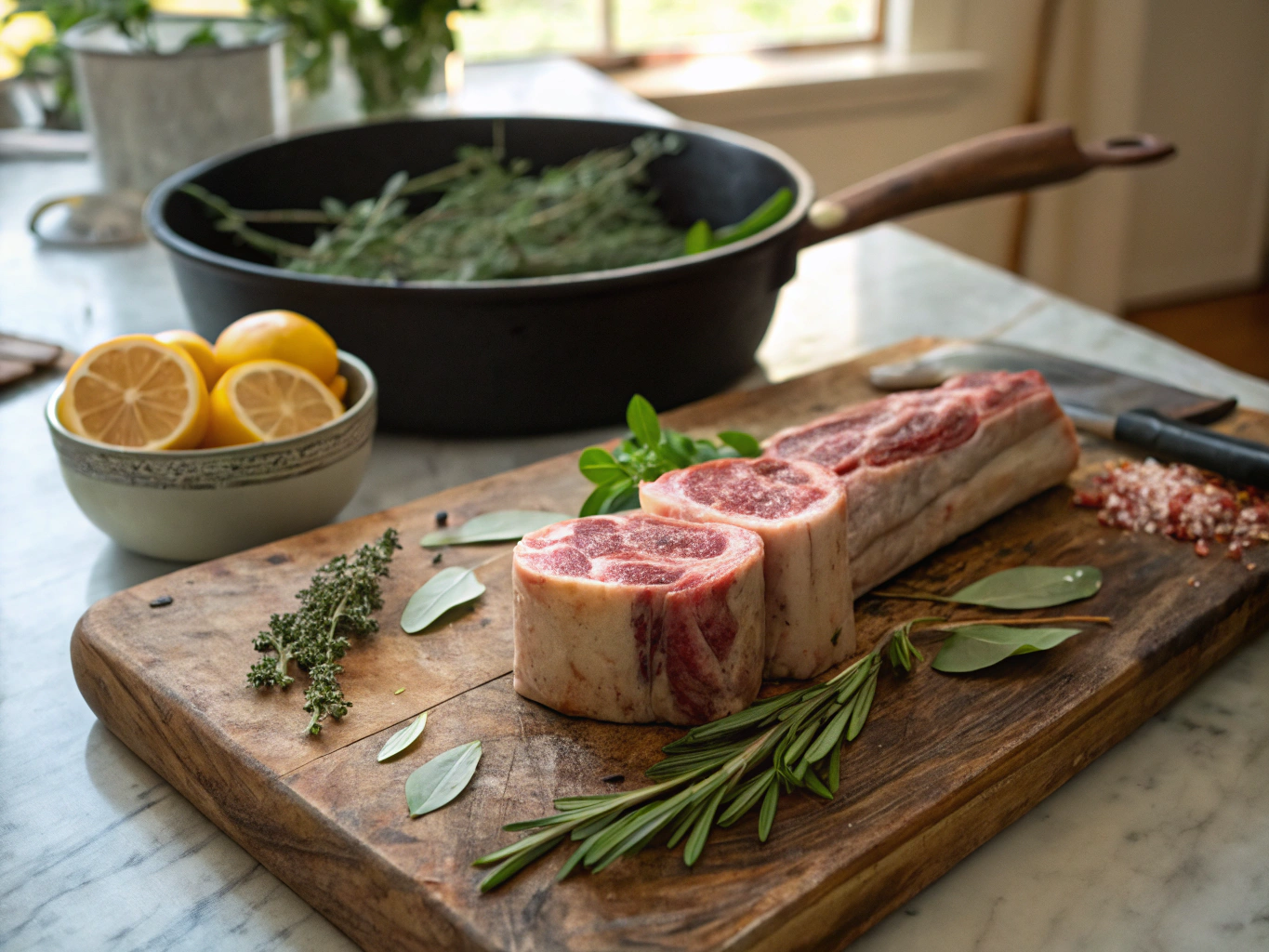
Using Homemade vs Store-Bought Bones: Impact on Bone Broth Taste
Bone broth has become a staple in many kitchens for its rich flavor and health benefits. But the question often arises: does the source of your bones—homemade or store-bought—really make a difference in taste? Understanding the nuances between these options can help you explore Gourmend Foods’s advice for how to make bone broth taste better and create a broth that suits your palate perfectly.
The Foundation: Why Bone Choice Matters
The bones you choose are the foundation of your broth’s flavor profile. Homemade bones typically come from animals you’ve prepared yourself—either leftover carcasses from meals or bones saved specifically for broth-making. Store-bought bones, on the other hand, are usually sourced from butchers or grocery stores and may come from a variety of animals, sometimes processed or frozen.
Flavor Depth and Complexity
Homemade bones often yield a deeper, more complex flavor. This is because they tend to retain more marrow and connective tissue from freshly cooked or roasted animals. Roasting bones before simmering enhances the natural umami flavors, creating a richer broth. Additionally, homemade bones usually come from whole animals or joints, which contribute gelatin and collagen, giving the broth a satisfying mouthfeel and body.
Store-bought bones, while convenient, can vary in quality and freshness. Some may be older, frozen, or from animals fed differently, which can subtly influence the taste. However, with proper preparation—such as roasting or blanching before simmering—store-bought bones can still produce a delicious broth, though sometimes a bit milder in flavor compared to homemade options.
How to Make Bone Broth Taste Better Regardless of Bone Source
Whether you’re using homemade or store-bought bones, several techniques can elevate your broth’s taste. First, roasting the bones at a high temperature caramelizes natural sugars and intensifies the broth’s flavor. Second, adding aromatic vegetables like onions, carrots, and celery during simmering complements and balances the savory notes.
Simmering time also plays a crucial role. Longer cooking extracts more collagen, minerals, and flavor compounds, resulting in a richer broth. However, be careful not to overcook, as extended simmering can sometimes introduce bitter flavors.
Don’t overlook seasoning. Salt enhances flavors and brings out the natural taste of the bones. Herbs such as thyme, bay leaves, and parsley add freshness without overpowering the broth’s core profile.
Additional Tips for Flavor Enhancement
- Blanch before roasting: Quickly boiling bones before roasting can remove impurities and result in a clearer broth.
- Use a mix of bones: Combining marrow-rich bones with joints and knuckles can improve both flavor and gelatin content.
- Skim the broth: Removing foam and fat during cooking prevents off-flavors and keeps the broth clean-tasting.
Conclusion: Making the Best Choice for Your Broth
In the debate between homemade and store-bought bones, homemade often wins on flavor depth and richness due to freshness and marrow content. However, store-bought bones offer convenience and can still produce excellent results with the right preparation. The key to truly outstanding bone broth lies in proper technique—roasting, simmering time, seasoning, and enhancements all matter.
For those looking to refine their broth further, be sure to explore Gourmend Foods’s advice for how to make bone broth taste better and discover more insights that will transform your bone broth experience from ordinary to extraordinary.
Leave a Reply