Mastering the Art of Trade Show Success: A Practical Guide for Exhibitors
Trade shows are dynamic environments that offer unparalleled opportunities for businesses to showcase their products, connect with potential clients, and build brand awareness. However, succeeding in this competitive arena requires more than just showing up with a booth. Preparation, strategy, and execution are key. For those looking to sharpen their approach, the exhibitors handbook by Iconic Displays offers invaluable insights. Below, we distill the essential strategies and tips to help you make the most out of your next trade show appearance.
Understanding the Foundation: Planning Your Trade Show Presence
Set Clear Objectives
Before committing to any trade show, it’s crucial to define what success looks like for your business. Are you aiming to generate leads, launch a new product, or enhance brand visibility? Clear goals will guide your decision-making process, from booth design to staffing and follow-up strategies. Without a focused objective, efforts can become scattered and less effective.
Choose the Right Trade Show
Not all trade shows are created equal. Selecting an event that aligns with your target audience and industry is fundamental. Research show demographics, attendee profiles, and past exhibitor experiences to ensure the event matches your business goals. Investing time in this stage can save money and increase ROI.
Budget Wisely
Trade shows involve various costs beyond booth space rental, including design, shipping, marketing materials, travel, and giveaways. Allocating your budget thoughtfully ensures you don’t run out of resources mid-campaign. Consider contingencies and prioritize spending on elements that directly impact visitor engagement.
Designing an Engaging Booth that Draws Attention
Visual Impact Matters
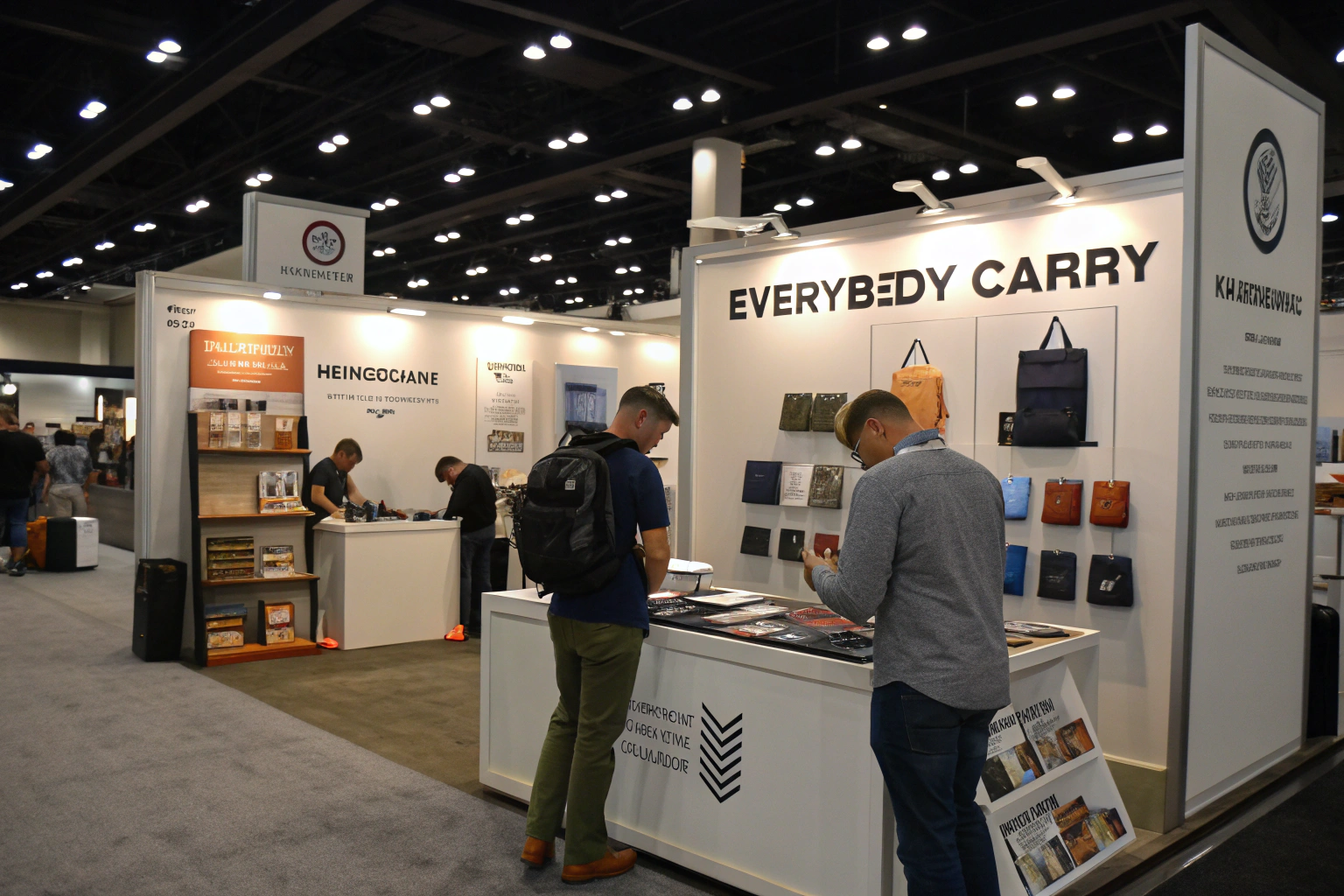
Your booth is your physical representation on the floor and must capture attention quickly. Use bold graphics, clear messaging, and an inviting layout. According to the exhibitors handbook, a well-designed exhibit incorporates lighting, signage, and interactive elements that resonate with your audience and invite them in.
Showcase Your Products Strategically
Rather than cluttering your booth with every item you offer, highlight key products or services that best demonstrate your value. Use product demos or digital displays to engage attendees and provide tangible experiences.
Comfort and Accessibility
Ensure your booth is not only attractive but also comfortable for visitors. Adequate seating, open spaces, and easy navigation encourage longer visits and facilitate meaningful conversations.
Staffing and Engagement: The Human Element
Train Your Team
Your booth staff are the face of your company and must be knowledgeable, approachable, and proactive. Train your team on the product details, company messaging, and lead capture techniques. Role-playing common scenarios can boost confidence and effectiveness.
Engage Visitors Effectively
First impressions count. Staff should greet attendees warmly, ask open-ended questions, and listen attentively. Avoid overly aggressive sales tactics that may deter prospects. Instead, focus on building rapport and identifying genuine interests.
Leverage Technology
Utilize lead retrieval systems, tablets for information collection, or interactive presentations to streamline engagement and capture valuable data. These tools can enhance visitor experience and make follow-up easier.
Maximizing Your Impact Before, During, and After the Show
Pre-Show Marketing
Generate buzz before the event by promoting your participation through email campaigns, social media, and direct outreach to existing clients. Offering incentives such as exclusive demos or giveaways can motivate attendees to visit your booth.
On-Site Networking
Participate in event activities, attend competitor booths, and engage with industry influencers. Trade shows are as much about relationship building as they are about direct sales.
Post-Show Follow-Up
Your efforts shouldn’t end when the show closes. Timely follow-up with leads can convert interest into sales. Organize your contacts, personalize communications, and provide any promised information promptly. This step is critical for maximizing your return on investment.
Final Thoughts
Trade shows remain a powerful tool for businesses to connect with their market, but success hinges on thorough preparation and strategic execution. By setting clear goals, designing a compelling booth, training your staff, and engaging prospects effectively, you position your company for meaningful results. The exhibitors handbook is a comprehensive resource that can further guide you through these steps, ensuring you’re equipped to excel at your next event.
Leave a Reply