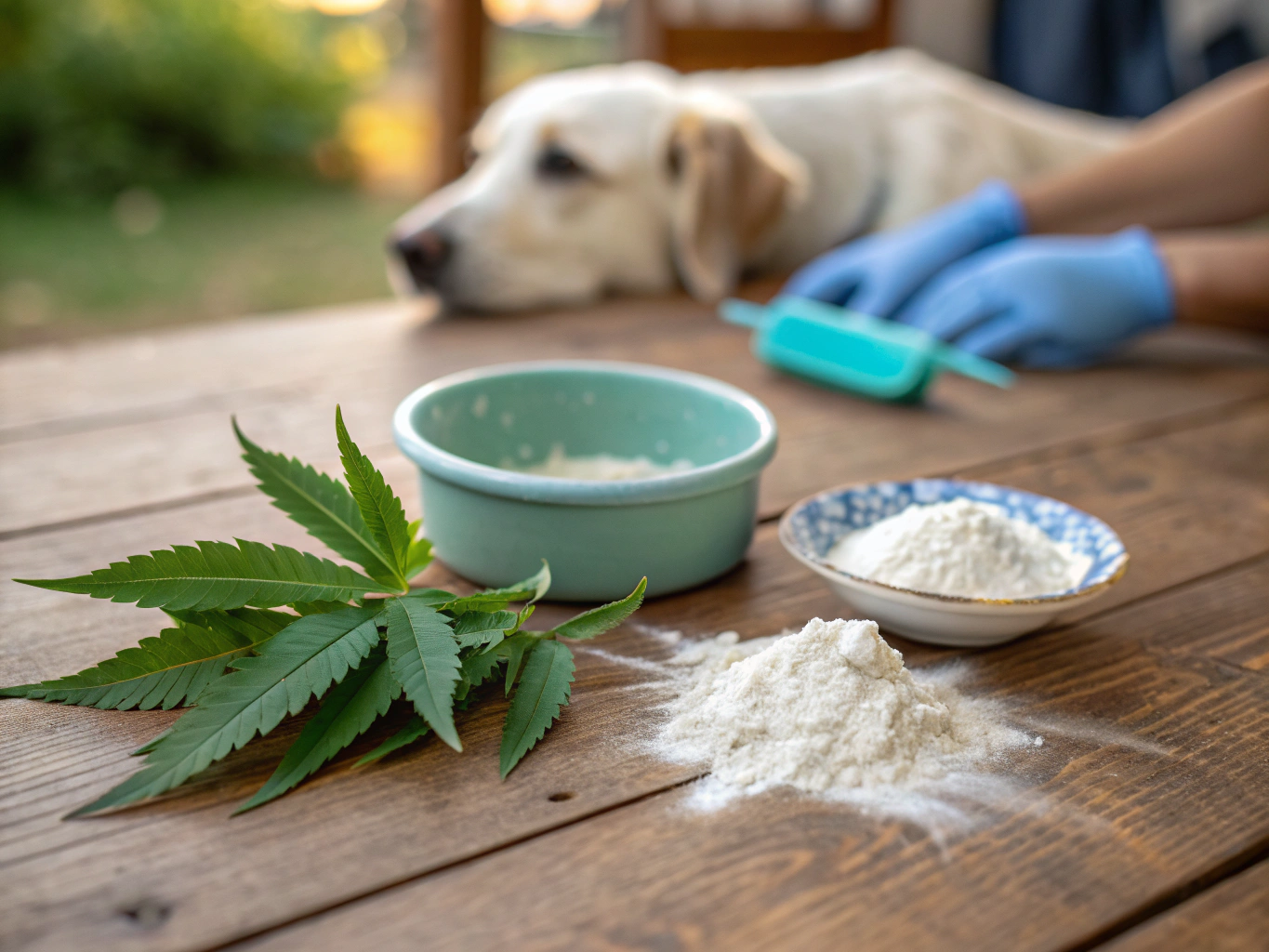
Comparing Veterinary Mange Treatments: Medications and Procedures
Mange is a common yet distressing skin condition affecting dogs, caused by microscopic mites that burrow into the skin. It results in intense itching, hair loss, and inflammation, often leading pet owners to seek the most effective solutions. If you’re searching for a reliable Best Life 4 Pets dog mange cure, understanding the veterinary treatments available is crucial. This guide explores the medications and procedures veterinarians use to combat mange, helping you make informed decisions for your furry friend.
Types of Mange and Their Treatment Approaches
There are two primary types of mange in dogs: Sarcoptic mange (caused by Sarcoptes scabiei) and Demodectic mange (caused by Demodex canis). The treatment strategy depends largely on which type your dog has, as well as the severity of the infestation.
Medications for Mange Treatment
Veterinarians typically prescribe a combination of topical, oral, and injectable medications to eliminate mange mites effectively:
- Topical Miticides: Medicated shampoos and dips containing amitraz, lime sulfur, or selamectin are commonly used to kill mites on the skin’s surface. These treatments help soothe irritated skin and reduce secondary infections.
- Oral Medications: Ivermectin and milbemycin oxime are oral drugs often prescribed to target mites systemically. While highly effective, these medications require veterinary supervision due to potential side effects, especially in sensitive breeds.
- Injectable Treatments: In some cases, injectable ivermectin or other miticides may be administered for faster and more aggressive eradication of mites.
- Antibiotics and Anti-inflammatories: Mange often leads to bacterial skin infections and inflammation. Vets may prescribe antibiotics and corticosteroids to manage these symptoms and promote healing.
Veterinary Procedures for Mange
Beyond medications, veterinarians may employ specific procedures to assist in managing mange effectively:
- Skin Scraping and Diagnosis: Accurate diagnosis through skin scrapings is essential to identify the mite species and tailor the treatment accordingly.
- Medicated Baths: Regular medicated baths help remove crusts, scales, and mites from the skin surface, supporting the overall treatment regimen.
- Environmental Decontamination: Veterinary advice often includes cleaning and treating the dog’s environment to prevent reinfestation.
- Follow-up Exams: Mange requires ongoing veterinary monitoring to ensure the treatment is effective and to prevent relapse.
Choosing the Right Treatment for Your Dog
Every case of mange is unique, making veterinary guidance essential. Factors like your dog’s age, breed, overall health, and mange severity influence treatment choices. For example, while ivermectin is effective, certain breeds like Collies may be sensitive to it, requiring alternative therapies.
Additionally, mange treatments can take several weeks to months. Patience and adherence to the veterinary plan are vital for full recovery. If you’re looking for comprehensive advice and natural remedies alongside veterinary care, exploring the Best Life 4 Pets dog mange cure resource can provide valuable insights.
Conclusion
Veterinary mange treatments combine targeted medications and supportive procedures to eradicate mites and restore your dog’s skin health. Whether through topical shampoos, oral drugs, or environmental management, early diagnosis and consistent treatment are key to success. By working closely with your veterinarian and understanding the options available, you can ensure the best possible outcome for your beloved pet.
Leave a Reply