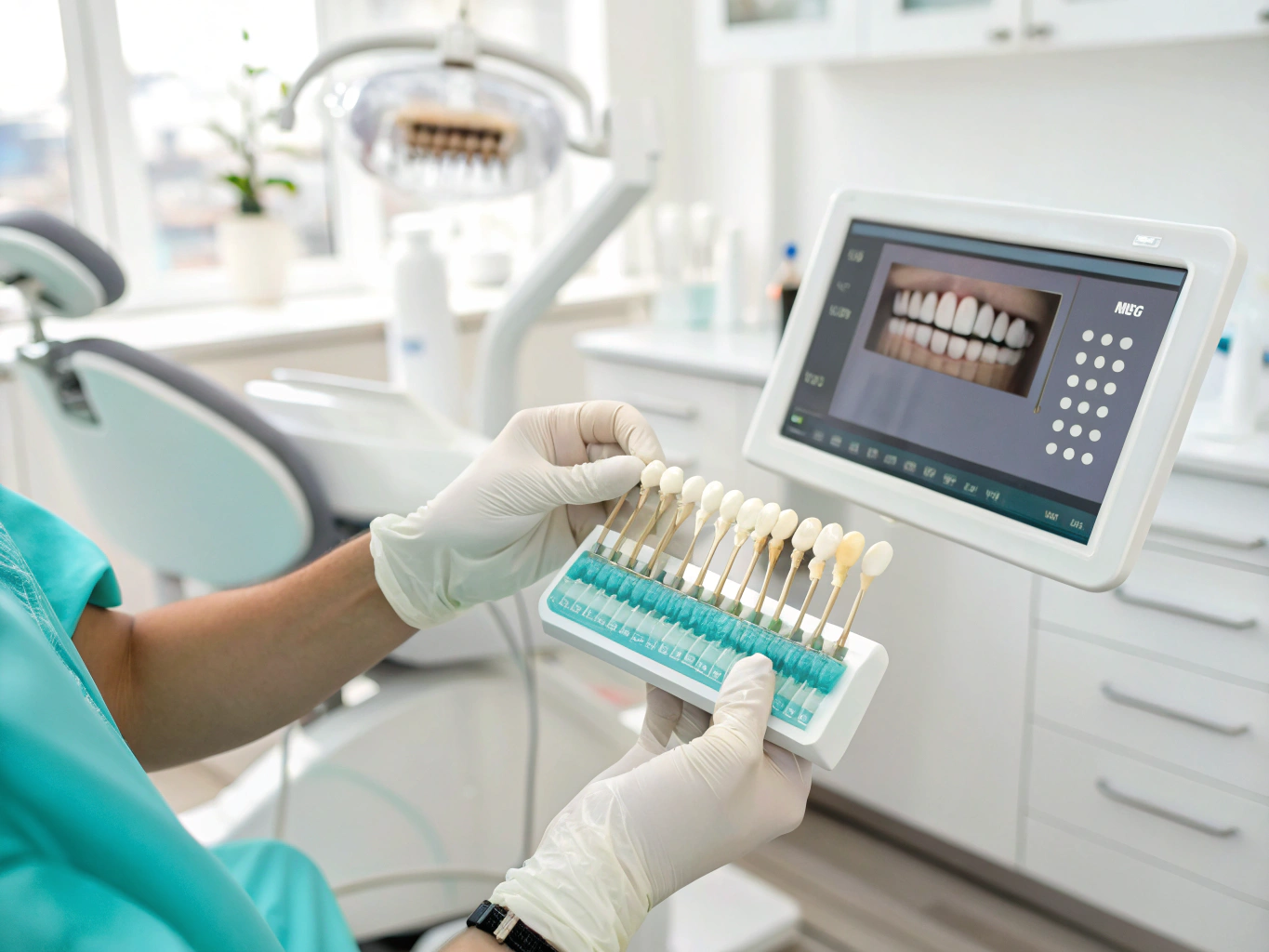
The Role of Lighting in Accurately Determining Your Teeth Shade
When it comes to achieving a perfect smile, understanding your teeth shade is essential. Whether you’re considering professional whitening, veneers, or simply want to know your natural tooth color, the environment in which you assess your teeth plays a crucial role. Lighting, in particular, can drastically influence how your teeth shade appears to the naked eye and even to dental professionals.
Why Lighting Matters in Teeth Shade Assessment
Teeth are naturally translucent and reflect light in complex ways. Because of this, the color you perceive can change depending on the type and quality of light illuminating your teeth. Artificial lighting, natural daylight, and even the color temperature of the light source can all affect shade perception.
For instance, fluorescent lighting often casts a bluish tint, which can make teeth appear whiter or sometimes even duller than they really are. On the other hand, incandescent lighting tends to have a warmer, yellow hue that might make teeth look more yellowish or stained. Daylight, especially during midday when the sun is at its peak, provides the most balanced and natural lighting conditions, allowing for the most accurate teeth shade determination.
Types of Lighting and Their Effects on Teeth Shade
- Natural Daylight: The gold standard for teeth shade matching. It offers full-spectrum light, revealing the true color and any subtle variations in the tooth enamel and dentin.
- Fluorescent Lighting: Common in clinics and offices, but can distort color perception due to its cooler tones. It may cause teeth to appear either brighter or duller, leading to inaccurate shade selection.
- Incandescent Lighting: This warmer light source can give teeth a yellowish cast, which might mislead both patients and dentists about the actual shade.
- LED Lighting: Increasingly popular in dental offices, LED lights can be calibrated to mimic natural daylight, reducing errors in shade matching.
Tips for Accurate Teeth Shade Determination at Home and in the Clinic
If you’re evaluating your teeth shade at home, try to do it near a window during daylight hours. Avoid bathrooms or rooms with colored walls that might reflect light and alter color perception. When possible, remove any lip products or makeup that could affect the visual assessment.
Dentists use specialized shade guides under controlled lighting conditions to ensure consistency. Some even use digital shade-matching devices that account for lighting variables to provide precise results.
Why Accurate Shade Matching Matters
Getting your teeth shade right is more than just aesthetics. It ensures that dental restorations like crowns, veneers, or fillings blend seamlessly with your natural teeth. An inaccurate shade selection can lead to unsatisfactory results, requiring costly corrections and undermining confidence in your smile.
Understanding the influence of lighting on teeth shade can empower you to make better decisions about your dental treatments and whitening options. Remember, the goal is a vibrant, natural-looking smile that complements your unique features.
For more insights on the range of teeth shades and what the whitest options are, be sure to explore detailed resources on teeth shade to guide your smile journey.
Leave a Reply