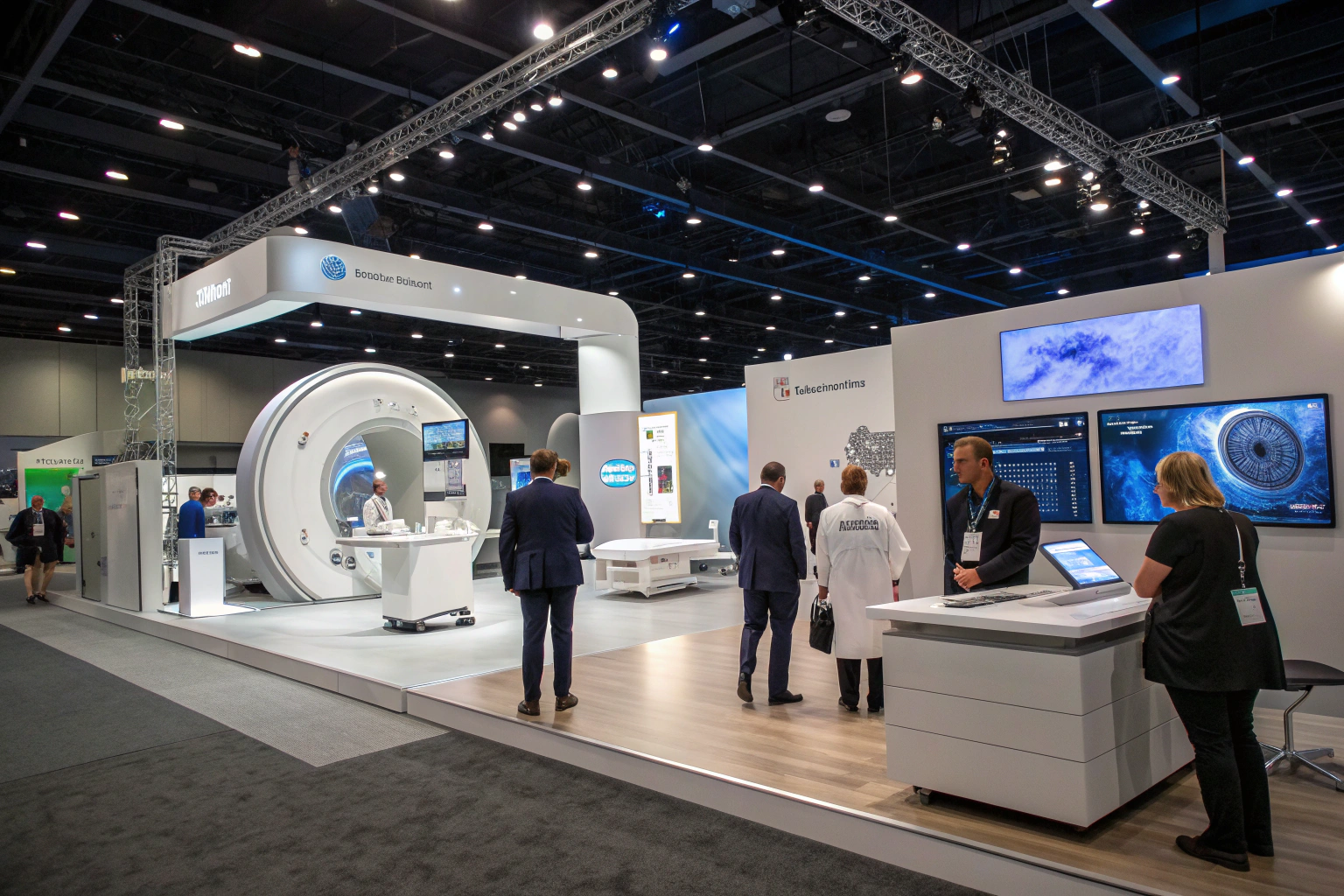
Highlights from the RSNA Annual Meeting: Innovations Shaping Medical Imaging
The Radiological Society of North America (RSNA) Annual Meeting stands as one of the most significant events in the world of medical imaging and radiology. Each year, it brings together thousands of professionals, researchers, and technology innovators to share the latest advancements and explore future trends. For those interested in the cutting edge of healthcare technology, the rsna annual meeting offers a deep dive into how imaging is transforming diagnostics and patient care.
This article summarizes key takeaways from the RSNA Annual Meeting, highlighting how emerging technologies and new research are revolutionizing medical imaging. Whether you are a healthcare professional, tech enthusiast, or simply curious about how technology evolves in healthcare, these insights offer a valuable perspective.
What is the RSNA Annual Meeting?
The RSNA Annual Meeting is a global conference focusing on radiology and medical imaging. It serves as a platform for experts to present research, discuss clinical applications, and showcase new imaging devices and software innovations. From artificial intelligence (AI) tools to advanced visualization techniques, the event covers a broad spectrum of topics aimed at improving diagnostic accuracy, workflow efficiency, and patient outcomes.
Who Attends?
Participants include radiologists, medical physicists, researchers, technologists, and vendors. This diversity fosters collaboration and knowledge sharing, making the RSNA Annual Meeting a hub for interdisciplinary innovation. The event also features educational courses, workshops, and hands-on demonstrations, offering attendees a comprehensive learning experience.
Key Innovations and Trends from the RSNA Meeting
Artificial Intelligence in Radiology
One of the most talked-about themes at RSNA is the integration of AI into medical imaging. AI algorithms are being developed to assist radiologists in detecting abnormalities, interpreting scans faster, and reducing human error. These tools can analyze vast amounts of imaging data to highlight areas of concern, prioritize cases, and even predict patient outcomes.
AI is not replacing radiologists but augmenting their capabilities. For instance, AI-powered software can help flag potential tumors in mammograms or spot early signs of lung disease in CT scans. This collaboration between human expertise and machine intelligence is improving diagnostic confidence and efficiency.
Advanced Imaging Techniques
New imaging modalities and enhancements to existing technologies were also prominent. Innovations in MRI, CT, and ultrasound are enabling higher-resolution images with faster acquisition times. These advancements facilitate earlier and more precise diagnosis of conditions ranging from cancer to cardiovascular diseases.
Moreover, hybrid imaging methods that combine different techniques are gaining attention for their ability to provide complementary information, improving the overall understanding of complex medical conditions.
Patient-Centered Technologies
Improving patient experience and safety is a growing focus. The RSNA meeting showcased innovations such as lower-dose imaging protocols, which reduce radiation exposure without compromising image quality. Additionally, user-friendly software interfaces and workflow tools are making imaging procedures more streamlined and less stressful for patients.
Another exciting development is the use of wearable imaging devices and portable scanners, which can bring diagnostic capabilities closer to patients in remote or underserved areas.
The Future of Medical Imaging
The RSNA Annual Meeting sheds light on how medical imaging will continue to evolve. With AI maturing and imaging hardware becoming more sophisticated, the future points to more personalized and precise diagnostics. Integration of imaging data with electronic health records and other patient information will also enhance clinical decision-making.
Furthermore, ongoing research into molecular imaging and image-guided therapies promises to open new frontiers in disease detection and treatment, potentially transforming medicine into a more proactive and predictive field.
Conclusion
The RSNA Annual Meeting remains a vital event for anyone interested in the intersection of technology and healthcare. From AI innovations to improved imaging techniques, the conference highlights how radiology is adapting to meet modern challenges and improve patient care. Staying informed about these advancements is essential for healthcare professionals and tech enthusiasts alike, as they shape the future of diagnostics and treatment.
For a more detailed look at the RSNA Annual Meeting and its impact, be sure to visit the official overview here.
Leave a Reply