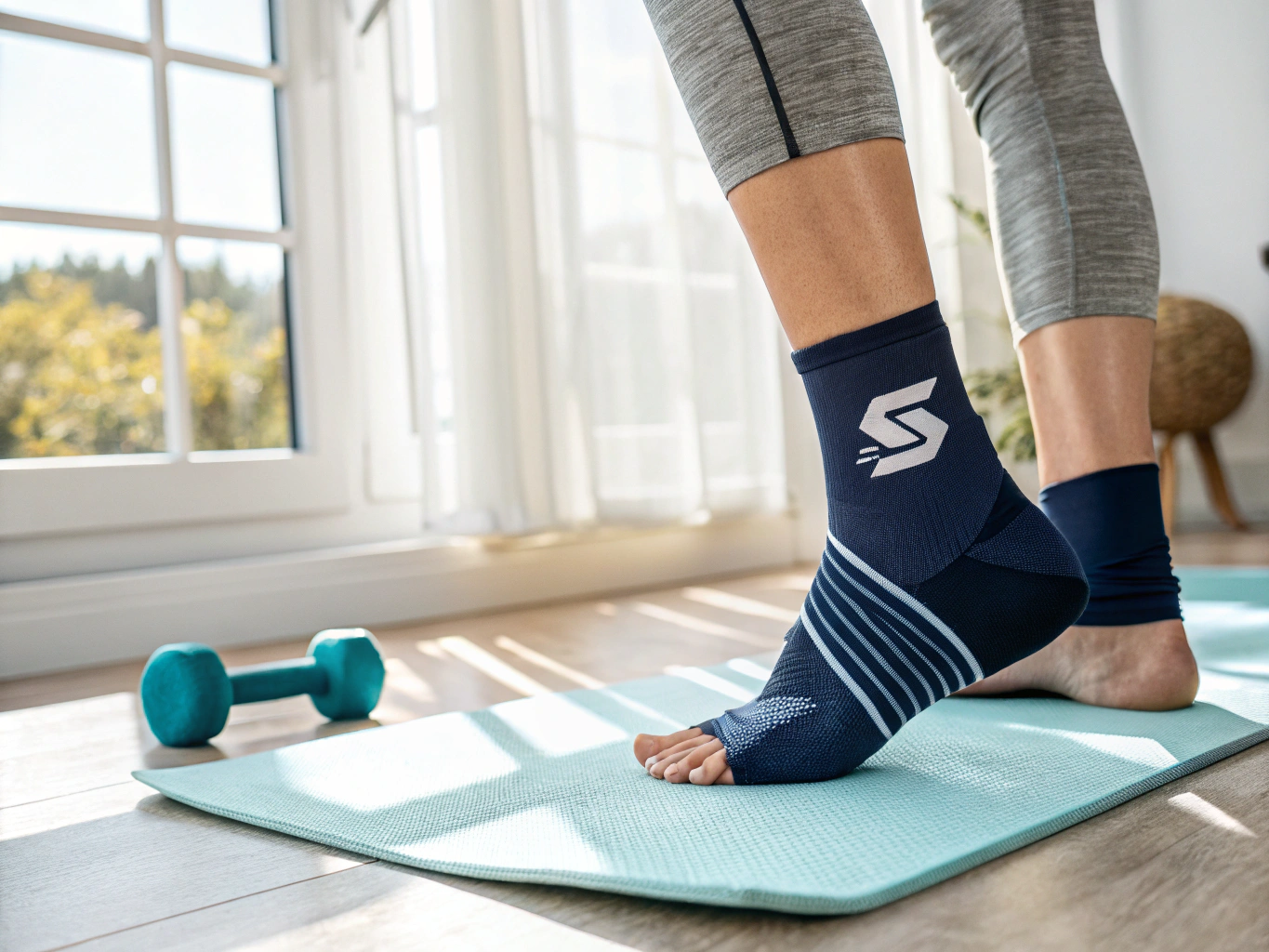
Best Practices for Using Ankle Compression Socks During Travel and Long Flights
Long flights and extended travel can take a toll on your legs and ankles, often leading to discomfort, swelling, and even more serious issues like deep vein thrombosis (DVT). One of the most effective ways to combat these problems is by using ankle compression socks. Designed to improve blood circulation and provide support, these socks have become a travel essential for many.
For those looking for reliable options, Sleeve Stars ankle compression socks: a trusted choice for recovery offer a great blend of comfort, durability, and medical-grade compression, making them ideal for long hours on a plane or in transit.
Why Choose Ankle Compression Socks for Travel?
Compression socks work by applying gentle, graduated pressure to your lower legs and ankles. This pressure helps to improve venous blood flow back to the heart, reducing the risk of blood pooling and swelling—common issues during long periods of immobility. Specifically, ankle compression socks target the ankle area, which is prone to swelling, while allowing for freedom of movement higher up the leg.
Using ankle compression socks during travel can:
- Reduce swelling and discomfort in the feet and ankles
- Prevent blood clots and promote healthy circulation
- Decrease muscle fatigue and soreness
- Enhance overall comfort during long flights or road trips
Best Practices for Wearing Ankle Compression Socks on Flights
1. Choose the Right Compression Level
Compression socks come in various pressure levels, typically measured in millimeters of mercury (mmHg). For most travelers, a mild to moderate compression level (15-20 mmHg) is sufficient to improve circulation without causing discomfort. If you have specific medical conditions, consult your healthcare provider before selecting higher compression levels.
2. Wear Them Before Boarding
Put on your ankle compression socks before you start your journey—even before you leave for the airport. This ensures your legs receive support and improved circulation from the moment you begin traveling.
3. Ensure Proper Fit
A proper fit is crucial for effectiveness. Socks that are too tight can restrict blood flow, while loose socks won’t provide adequate compression. Measure your ankle circumference and calf size according to the manufacturer’s guidelines to find the right size.
4. Keep Them On During the Flight
Wear your ankle compression socks throughout the duration of the flight to maintain circulation. If you need to remove them for comfort or hygiene reasons, try to limit the time without compression and put them back on as soon as possible.
5. Stay Hydrated and Move When Possible
While compression socks aid circulation, they work best when combined with other healthy travel habits. Drink plenty of water and, when possible, take short walks in the aisle or do simple ankle and calf exercises in your seat to further stimulate blood flow.
6. Care for Your Socks
To prolong the life and effectiveness of your compression socks, wash them according to the care instructions. Avoid fabric softeners and bleach, which can degrade the elastic fibers. Regular maintenance ensures consistent compression performance.
Conclusion
Traveling doesn’t have to mean enduring swollen, tired legs. Incorporating ankle compression socks into your travel routine is a smart, simple way to support your circulation and comfort on long flights or road trips. By selecting the right socks—like the reliable and effective Sleeve Stars ankle compression socks: a trusted choice for recovery—and following these best practices, you can arrive at your destination feeling refreshed and ready to go.
Leave a Reply